
A thin crack in asphalt might look harmless at first. Give it a few weeks of traffic, a bit of rain, and it starts opening up. That is usually how bigger damage begins. Many property owners delay repairs, thinking they can wait. It rarely can. A skilledAsphalt Repair Company does more than fix surfaces. It prevents small problems from turning into expensive ones.
This blog breaks down the most common asphalt repair services, what they actually involve, and when each one makes sense.
Why Asphalt Repairs Should Never Be Delayed
Asphalt wears down gradually. Heat softens it, water weakens it, and vehicles add constant pressure. Over time, these factors combine and damage builds up quietly.
Studies in pavement maintenance show early repairs can extend surface life by several years. That alone makes a strong case for acting early.
Not taking into consideration damage may result in:
- Issues that are deep-rooted in the background.
- Increased repair costs on a long-term basis.
- Greater risk of safety of vehicles and pedestrians.
Repairing young ones makes it easy and much cheaper.
Crack Filling: Small Fix, Big Impact
Crack filling is often the first step in asphalt maintenance. Those thin lines that appear across the surface are early warning signs.
The process is straightforward. The crack is cleaned, then filled with a flexible material that adjusts with temperature changes. It seals the gap and blocks water from getting inside.
Timing matters here. Fresh cracks are easy to treat. Once they widen or connect, the damage spreads faster than expected. Acting early makes all the difference.
Asphalt Patching: When Damage Goes Deeper
Once cracks are ignored, the surface begins to break. That is where patching comes in. The patching is different according to the badness of things. Surface patching can be used to repair minor wear, and more serious problems will necessitate a full-depth patching in which the damaged areas are removed and replaced.
A real situation seen often involves commercial lots. Small cracks appear, then heavy rain follows. Within months, potholes develop. Instead of a simple repair, full reconstruction is needed. Costs rise quickly in cases like this.
Pothole Repairs: Quick Fixes That Cannot Wait
Potholes are more than just a visual issue. They create real hazards. Cars get damaged, and liability becomes a concern for property owners.
The repair process includes removing loose material, preparing the base, and applying fresh asphalt. Proper compaction ensures the fix lasts. Delays here only make things worse. A pothole grows faster than most people expect.
Spray Sealing: Preventing Future Damage
Spray sealing is often overlooked, but it plays a key role in long-term protection. Instead of fixing damage, it helps prevent it.
This method involves applying a protective layer over the surface. It shields the asphalt from moisture and slows down wear.
Benefits usually include:
- Reduced water penetration
- Improved surface durability
- Lower maintenance costs over time
It is commonly used on roads, large driveways, and commercial spaces where durability matters.
Linemarking Sydney: Safety Meets Function
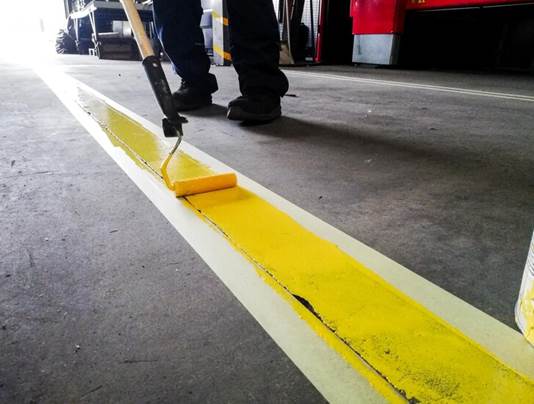
Repairs restore the surface, but markings bring order and safety. Faded or unclear lines create confusion, especially in busy areas.
Linemarking Sydney services cover parking layouts, directional markings, and safety zones. Fresh markings improve traffic flow and reduce risks.
This step often gets overlooked, yet it completes the job. A repaired surface without clear markings still feels unfinished.
Signs Your Asphalt Needs Immediate Attention
Damage usually gives warning signs before it becomes serious. Spotting them early can save a lot of trouble later.
Common indicators include:
- Cracks are spreading across multiple areas
- Water pooling after rain
- Rough or loose surface texture
- Fading or barely visible markings
Each of these points refers to weakening asphalt. Waiting allows the damage to settle deeper into the structure.
Choosing the Right Asphalt Repair Company
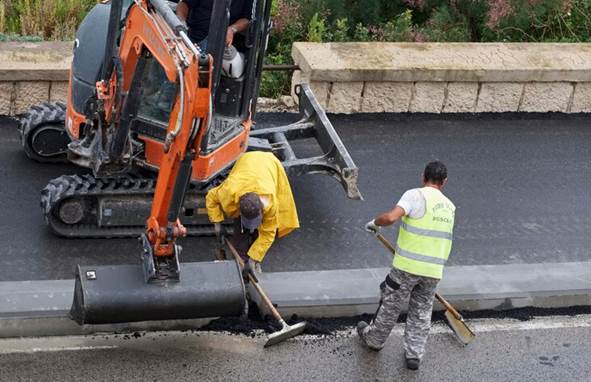
Finding the right team matters more than most expect. Not all contractors approach repairs the same way.
An efficient supplier is one oriented on the long-term outcome, rather than short-term solutions. They also evaluate the state of affairs adequately, clarify the solution adequately, and provide consistent work.
The main attributes to consider:
- Practice in various types of repairs
- Capacity to deal with both repairs and linemarking
- Communication and realistic schedules
Good work lasts. Bad work must be remedied.
Conclusion
Asphalt surfaces do not fail overnight. The process is gradual, but once it starts, it accelerates quickly. Crack filling, patching, pothole repairs, and proper marking all play their role in keeping surfaces functional and safe.
Early action always costs less than delayed repairs. Staying ahead of damage is the smartest move any property owner can make. To ensure reliable, sustainable outcomes, City Asphalt Services offers resolutions that are designed to sustain in the actual conditions.
FAQs
1. What services does an Asphalt Repair Company provide?
An Asphalt Repair Company typically offers crack filling, patching, pothole repairs, and surface protection. These services restore damaged areas and help extend the life of asphalt surfaces.
2. How often should asphalt surfaces be maintained?
Regular inspections should be done once a year. Repairs like crack filling should be completed as soon as damage appears to prevent more serious issues.
3. Why is Linemarking Sydney important after repairs?
Linemarking Sydney ensures clear guidance for vehicles and pedestrians. It improves safety, organizes traffic flow, and enhances the overall functionality of the repaired surface.
4. When is patching better than crack filling?
Crack filling is used for small surface cracks. Patching is required when the damage spreads deeper or when sections of asphalt start breaking apart.